Key takeaways
- Kill the juice first. Flip the breaker and bleed off pressure. I learned the hard way that pumps bite when they’re live.
- Air is the enemy. If the suction line or check/foot valve leaks even a little, you’ll be reprime-praying all afternoon.
- Fill the pump, not just the pipe. Prime with clean water until the housing is brim-full—no frothy gurgles.
- Crack a vent to burp it. Let trapped air escape while you’re filling; think of it as burping a very stubborn metal baby.
- Throttle the discharge at startup. Start with the outlet valve partly closed so the pump can grab a solid sip before working hard.
- Watch the gauge. Rising, steady pressure and smooth flow = you’re winning. Spiking/flatlined pressure = there’s still air or a leak.
- Know your setup. Above-ground jet pumps need priming; submersibles usually don’t. Two-line deep-well jets may need both lines filled.
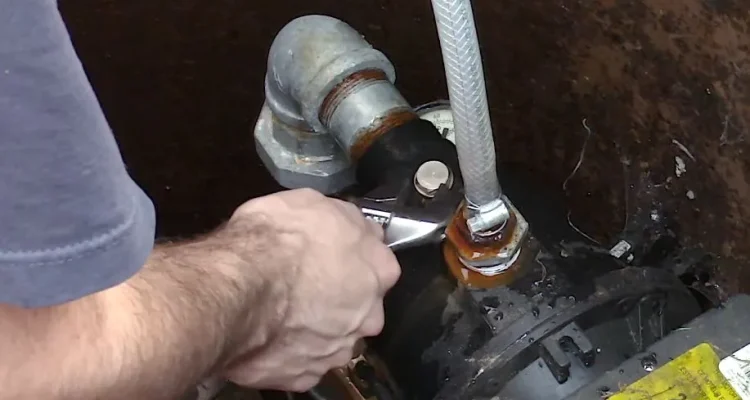
Here’s the seven-step, no-nonsense way I prime a well pump without inventing new swear words: (1) Cut power at the breaker and release pressure. (2) Check the suction side—tighten clamps, confirm the check/foot valve isn’t stuck, and fix any “mystery” drips. (3) Pull the priming plug on the pump housing and fill the pump and suction line with clean water until they’re topped off. (4) Crack the vent/priming port to burp out air, then reinstall the plug snugly. (5) Partially close the discharge valve and restore power so the pump can catch prime without overworking. (6) Let it run while you watch the pressure gauge climb; if it stalls or gurgles, kill power, top up the priming port, and try again. (7) When flow turns steady and pressure holds at your normal cut-out, open the discharge fully and do a quick leak check. If it won’t hold prime, you’ve still got air sneaking in on the suction side (usually the check valve, a loose fitting, or a cracked line).
Quick safety note: electricity + water is a spicy combo—turn off power, wear eye protection, and if you’re not confident with pressure systems, call a pro.
Introduction
- Open with a relatable scenario: you turn on the faucet expecting water—and nothing happens. Not even a trickle.
- Explain that a common culprit is a well pump that’s lost its “prime,” meaning air has entered the system and stopped water flow.
- Define what priming a pump means in simple terms: refilling it with water so it can build suction and push water from your well.
- Briefly highlight what readers will learn in this guide: how to prime a pump safely, what tools they need, and how to troubleshoot common issues.
Understanding the Basics of a Well Pump
- Describe how a well pump works: it creates suction to draw groundwater into your home’s plumbing system.
- Explain why water is essential for this process — without it, the pump can’t form suction and the motor can overheat.
- Clarify the types of pumps that need manual priming:
- Jet Pumps (Shallow and Deep Well) – located above ground, prone to airlocks.
- Centrifugal Pumps – rely on a full chamber of water to operate.
- Note that submersible pumps are self-priming since they’re underwater, but most above-ground models are not.
Why Well Pumps Lose Their Prime
- Outline common causes that homeowners might encounter:
- Air leaks in fittings or suction lines.
- A faulty or leaky foot valve or check valve.
- Long-term pump inactivity (seasonal homes, power outages, etc.).
- Low water levels in the well.
- Damaged seals or cracked pipes letting air in.
- Mention that even small air leaks can stop the pump from working effectively.
How to Tell If Your Pump Needs Priming
- No water pressure or only sputtering from faucets.
- Pump motor runs but no water flows.
- Gurgling or “bubbling” noises in pipes.
- Visible air bubbles or an empty pump housing.
- Pump cycles frequently or won’t shut off.
Tools and Materials You’ll Need
| Tool/Material | Purpose |
|---|---|
| Bucket or garden hose | To pour water into the pump |
| Adjustable wrench | To remove or tighten the priming plug |
| Teflon tape | To seal threads and prevent air leaks |
| Screwdriver | For loosening or securing components |
| Clean water source | Used to fill the pump and suction line |
| Rags or towels | To catch spills |
| Flashlight | Helpful for dim or enclosed pump areas |
- Safety Reminder: Always cut power to the pump before working on it. Water and electricity don’t mix.
Before You Start: Safety and Prep Steps
- Turn off power to the pump at the circuit breaker.
- Open a nearby faucet to release any pressure and drain excess water.
- Inspect your suction line for cracks, loose fittings, or leaks.
- Check the foot valve at the well’s bottom — it prevents water from draining back.
- Locate the priming plug (often found at the top of the pump casing).
- Keep your water source ready (a hose or bucket filled with clean water).
Step-by-Step: How to Prime a Well Pump
Step 1: Shut Off Power and Release Pressure
- Safety first — confirm power is completely off.
- Open a faucet or relief valve to release trapped air and water pressure.
Step 2: Locate and Remove the Priming Plug
- Use your wrench or screwdriver to remove the plug on top of the pump housing.
- Place a towel nearby to catch any leftover water that may spill.
Step 3: Fill the Pump with Water
- Pour clean water into the pump housing until it’s completely full.
- Pause occasionally to let air bubbles escape.
- For deep well jet pumps, fill both suction and drive lines to ensure the system is fully charged.
Step 4: Replace and Seal the Plug
- Wrap the plug’s threads with Teflon tape to prevent leaks.
- Reinsert and tighten securely — but don’t overtighten, as it could crack the casing.
Step 5: Restore Power and Test the Pump
- Flip the breaker back on.
- The pump should begin running — listen for steady operation.
- Water may sputter at first but should soon flow consistently through the system.
Step 6: Check Water Flow and Pressure
- Open a faucet to confirm normal pressure and consistent flow.
- Watch the pressure gauge; it should rise smoothly to the standard level.
Step 7: Repeat if Necessary
- If the pump still won’t build pressure, turn off the power again.
- Refill the housing with more water and try priming a second or third time.
- Some pumps may need multiple cycles to remove trapped air completely.
Priming Different Types of Well Pumps
Shallow Well Jet Pump
- Easier to prime since the suction line is short.
- Usually requires only one full fill of the pump housing.
Deep Well Jet Pump
- Has two lines — suction and drive — both must be filled with water.
- Sometimes requires priming through a secondary port or valve.
Centrifugal Pump
- Needs to stay full of water at all times.
- Fill the chamber until it’s overflowing to remove all air pockets.
Troubleshooting: If the Pump Still Won’t Prime
| Issue | Possible Cause | Quick Fix |
|---|---|---|
| No pressure builds | Air leak in suction line | Tighten or reseal connections |
| Pump runs but no water | Foot valve stuck or clogged | Clean or replace valve |
| Water drains back after priming | Faulty check valve | Replace or reseal valve |
| Pump overheats quickly | Running dry | Turn off power and refill |
| Weak or pulsing pressure | Trapped air | Repeat priming or bleed system |
- Suggest checking all fittings for bubbles using soapy water — bubbles indicate leaks.
Safety Tips and Maintenance Advice
- Never run a well pump dry — it can burn out the motor in minutes.
- Always shut off the power before touching any electrical or water components.
- Regularly check fittings, seals, and valves for wear or air leaks.
- Use a foot valve to keep water in the suction line between uses.
- Schedule yearly pump maintenance with a professional, especially for deep wells.
How to Prevent Future Priming Problems
- Keep pipe joints tightly sealed with Teflon tape.
- Maintain consistent well water levels.
- Run the pump occasionally, even in off-seasons, to keep it lubricated.
- Add a priming tee or self-priming check valve to make future priming easier.
- Inspect your system twice a year for small leaks or corrosion.
When to Call a Professional
- Multiple failed priming attempts.
- Pump runs hot or makes grinding or humming sounds.
- Visible rust, cracks, or corrosion on pump housing.
- Persistent air in the water lines.
- Electrical or wiring issues that need specialized repair.
Frequently Asked Questions
If your pump is properly sealed and maintained, you shouldn’t need to prime it often. However, you may need to reprime after long periods of inactivity, power outages, or if there’s a small air leak in the suction line. A well-functioning system should hold its prime for months—or even years—without issue.
Yes, tap water works perfectly fine for priming your well pump. The goal is simply to fill the pump housing with water so it can create suction. Clean, debris-free water—regardless of the source—will get the job done.
Running your pump without water can cause the motor to overheat and damage the internal seals or impeller. If you notice the pump running dry, shut it off immediately, let it cool, then refill it with water before restarting. Prolonged dry running can permanently ruin the motor.
The most common reason is air leaks in the suction line or around fittings. A faulty foot valve, cracked pipes, or low water levels in the well can also cause the system to lose prime. Make sure all joints are tightly sealed with Teflon tape and inspect for any leaks or corrosion.
Priming usually takes 5 to 15 minutes, depending on your pump type and system size. If it takes longer, or you’ve tried multiple times without success, there may be an air leak or internal issue preventing suction.
Conclusion
Priming a well pump might sound intimidating, but it’s one of those home maintenance tasks that’s surprisingly doable once you understand the process. By refilling the pump with water, you restore proper suction, protect the motor, and keep your home’s water system running smoothly.
Take your time, follow safety steps, and don’t panic if it takes a couple of tries—it’s all part of the process. Regular maintenance and airtight seals go a long way in preventing future priming headaches.
And remember, if your pump still refuses to cooperate after a few careful attempts, it’s better to call a professional than risk burning out your equipment. A quick service call now can save you from a costly repair later.

You must be logged in to post a comment.