Introduction
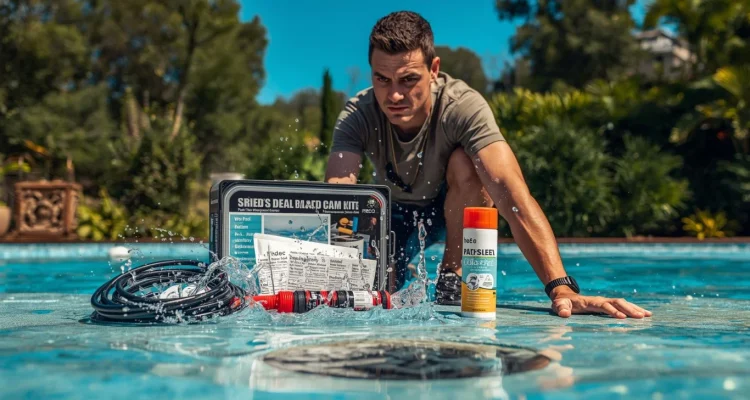
A pool can be a luxurious addition to any home, providing a perfect spot for relaxation and fun. However, maintaining it can be a challenge, especially when it comes to leaks. Pool leaks can be frustrating and costly if not addressed promptly. In this comprehensive guide, we’ll explore how to fix a pool leak, covering everything from initial inspections to professional repairs.
Signs of a Pool Leak
Unexplained Water Loss
One of the first signs of a pool leak is an unexpected drop in water levels. If you find yourself constantly topping off your pool, it might be losing water more quickly than it should.
Increased Water Bills
Another indicator of a pool leak is a spike in your water bill. If you’re paying more than usual for water, it’s time to investigate your pool.
Wet Spots Around the Pool Area
Look for soggy areas around your pool. Wet spots on the ground or around the equipment pad can be a sign of a leak.
Initial Inspection
Checking Pool Equipment
Start by examining your pool equipment. Check the pump, filter, heater, and valves for any visible signs of leaks.
Inspecting Pool Surfaces
Next, inspect the pool surfaces. Look for cracks, tears, or other damage in the liner, plaster, or tiles.
Performing a Bucket Test
A bucket test is a simple way to confirm if your pool is leaking.
Step-by-Step Guide
- Fill a bucket with pool water and place it on a pool step.
- Mark the water level inside the bucket and the pool water level outside the bucket.
- Leave it for 24 hours, then compare the water levels.
Interpreting the Results
If the pool water level drops more than the water level in the bucket, you have a leak.
Locating the Leak
Checking the Pool Liner
Inspect the liner for any visible tears or holes. Small leaks can often be patched.
Inspecting the Plumbing
Check all plumbing connections and pipes for leaks. Look for moisture around fittings and joints.
Dye Testing for Leaks
Use a pool dye test kit to pinpoint the exact location of the leak. Release the dye near suspected areas and watch where it gets drawn in.
Fixing Surface Leaks
Patching Vinyl Liners
For small tears in vinyl liners, use a vinyl patch kit. Clean the area, apply the adhesive, and place the patch over the tear.
Repairing Concrete Pools
For concrete pools, use a pool plaster mix to fill cracks. Smooth it out and let it cure.
Sealing Fiberglass Pools
Fiberglass pools can be repaired with a fiberglass repair kit. Sand the damaged area, apply the resin, and smooth it out.
Fixing Plumbing Leaks
Identifying Plumbing Issues
If you suspect a plumbing leak, check for wet areas around the pool equipment and underground plumbing lines.
Repairing or Replacing Pipes
Depending on the severity, you may need to repair or replace the damaged pipes. This might involve cutting out the damaged section and installing new pipe segments.
Professional Help
For extensive plumbing issues, it’s best to call a professional. They have the tools and expertise to handle complex repairs.
Fixing Structural Leaks
Identifying Structural Problems
Structural leaks can be caused by shifting soil or settling foundations. Look for cracks in the pool shell or decking.
Repair Options
Depending on the severity, structural repairs may involve patching, injecting sealant, or more extensive reconstruction.
When to Call a Professional
If the structural damage is severe, it’s crucial to hire a professional. They can assess the situation and recommend the best course of action.
Preventative Measures
Regular Maintenance Tips
Regular maintenance can prevent many pool leaks. Check the water level, inspect the equipment, and clean the pool regularly.
Using Pool Covers
Pool covers reduce evaporation and help keep debris out, minimizing the risk of leaks.
Keeping an Eye on Water Levels
Monitor your pool’s water level and address any significant changes promptly.
Using Pool Leak Detection Kits
How They Work
Pool leak detection kits use dyes or electronic sensors to locate leaks. They can be a cost-effective way to identify problem areas.
When to Use Them
Use a detection kit if you suspect a leak but can’t locate it through a visual inspection.
Professional Leak Detection Services
Benefits of Hiring Professionals
Professional leak detection services use advanced equipment to find leaks quickly and accurately, saving you time and money in the long run.
What to Expect
Expect a thorough inspection, including pressure testing and the use of specialized cameras to locate leaks.
Cost Considerations
DIY vs. Professional Repair Costs
While DIY repairs can save money upfront, professional repairs may be more cost-effective in the long run, especially for complex leaks.
Long-term Savings
Fixing leaks promptly can prevent further damage and save on water bills, leading to long-term savings.
Common Myths About Pool Leaks
Debunking Misconceptions
Many believe that all pool leaks are easy to fix or always visible. In reality, some leaks require professional detection and repair.
FAQs
Unexplained water loss, increased water bills, and wet spots around the pool area are common signs of a leak.
Yes, minor leaks can often be fixed with a DIY approach. However, more severe leaks may require professional assistance.
Costs vary depending on the type and severity of the leak. DIY repairs are cheaper, but professional repairs ensure thorough and lasting fixes.
It’s good practice to inspect your pool for leaks at the beginning and end of the swimming season, and regularly monitor water levels.
Common causes include aging pool liners, cracks in the pool shell, and plumbing issues.
Conclusion
Fixing a pool leak can be a daunting task, but with the right knowledge and tools, it’s manageable. Regular maintenance and prompt repairs are key to keeping your pool in top condition. Whether you tackle the job yourself or hire a professional, addressing leaks quickly will save you time, money, and frustration.

Congratulation!